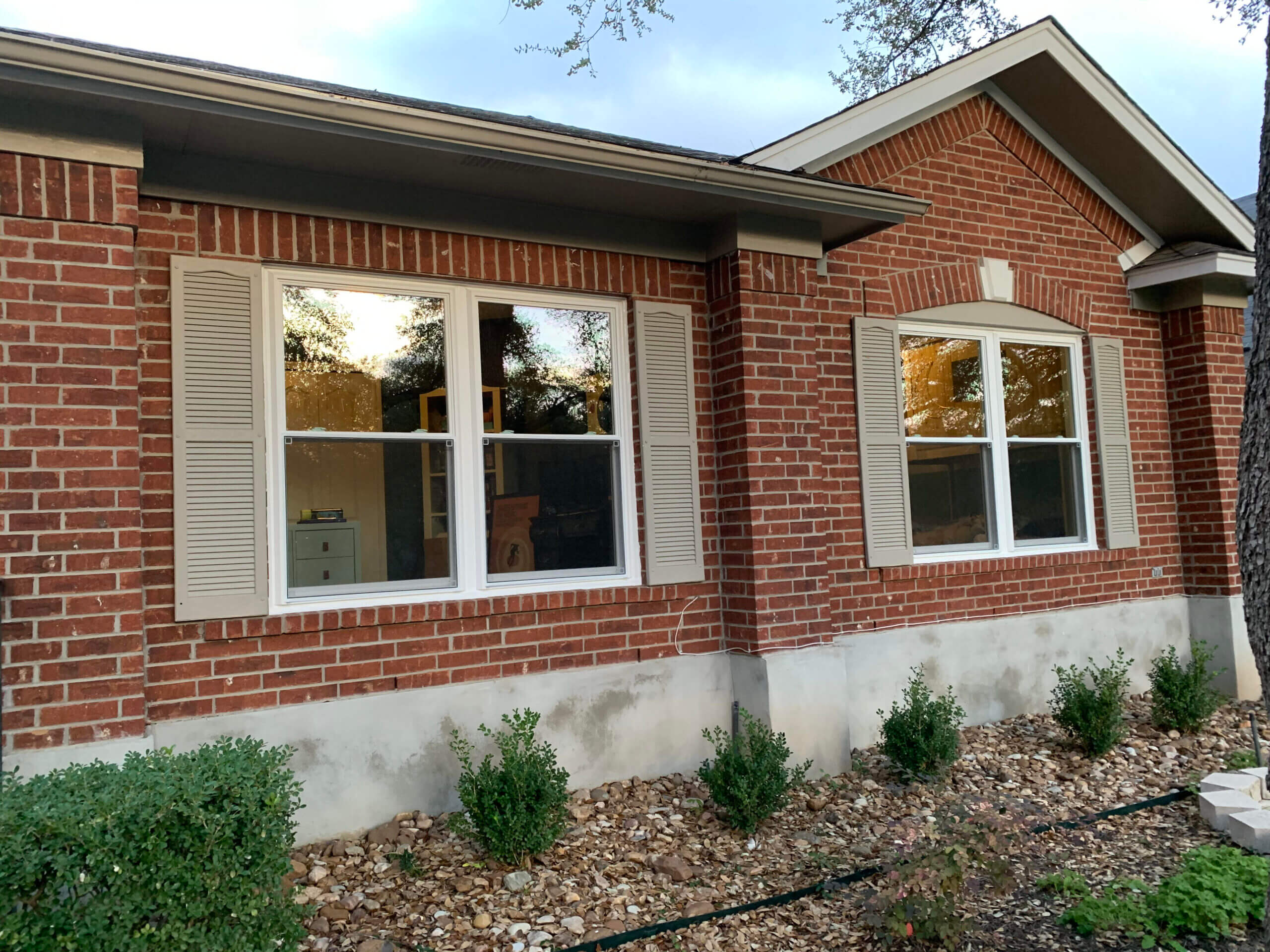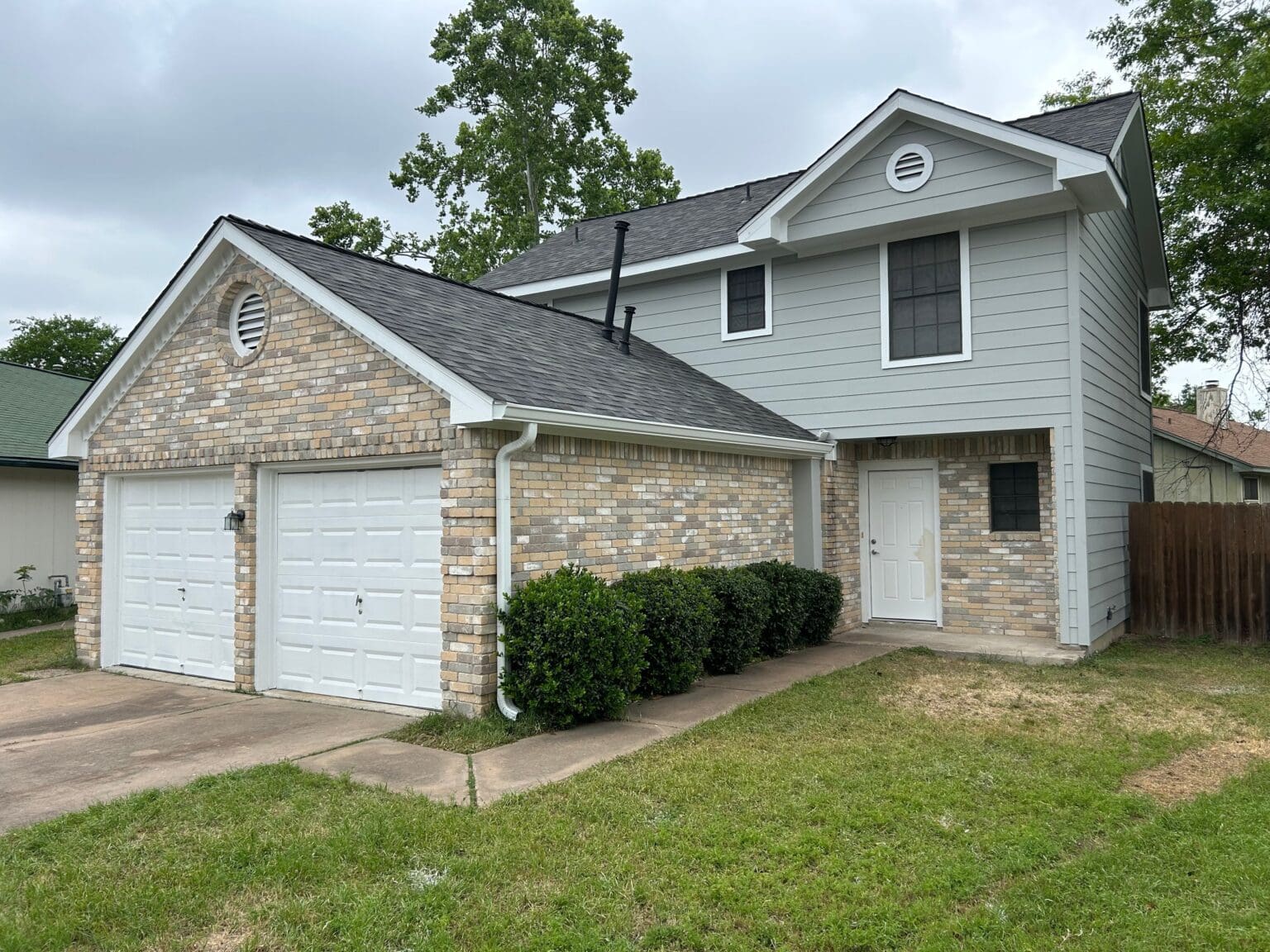
Planning an exterior upgrade involves more than choosing attractive materials and scheduling construction. For homeowners considering siding installation in Austin, TX, understanding the process early can help prevent delays, unexpected costs, and material-selection mistakes. Austin’s hot summers, occasional severe storms, and changing weather conditions make it important to choose exterior materials that suit the local climate. Homeowners should also consider their property’s existing condition, architectural style, installation requirements, and long-term maintenance needs.
Table of Contents
- Start by Evaluating Your Home’s Exterior
- Choose Materials That Match Austin’s Climate
- Establish a Realistic Budget Before Construction
- Select a Contractor Who Explains the Process Clearly
- Prepare Your Property for Installation Day
- Understand the Main Stages of the Installation Process
- Review the Finished Work and Understand Future Maintenance
- Conclusion
Start by Evaluating Your Home’s Exterior
Before selecting materials or requesting estimates, examine the current condition of the exterior walls. Look for visible deterioration, moisture staining, uneven surfaces, or aging panels. These observations can help identify areas that need closer professional evaluation before installing new materials. A successful siding installation in Austin, TX, begins with understanding the property’s existing structure. Wall construction type, the number of windows, exterior dimensions, and accessibility can influence project planning.
Homeowners considering siding replacement should also consider whether they want to maintain their existing exterior appearance or introduce a different architectural style.
Choose Materials That Match Austin’s Climate
Choosing suitable materials is essential to any exterior improvement project. Austin experiences prolonged summer heat, strong sunlight, seasonal rainfall, and occasional freezing conditions. These environmental factors should influence material selection.
When comparing siding in Austin, Texas, homeowners should consider durability, moisture resistance, maintenance needs, appearance, and the manufacturer’s installation instructions.
Common residential siding materials include:
- Fiber cement: Offers a durable exterior surface and is available in various textures, colors, and profiles.
- Vinyl: Provides several design choices and generally requires relatively little routine maintenance.
- Engineered wood: Creates a wood-like appearance with product-specific performance and maintenance requirements.
Consider Long-Term Performance Before Appearance.
Color and texture influence curb appeal, but performance deserves equal attention. For residential home siding replacement, consider how each product responds to prolonged sunlight, seasonal moisture, and temperature changes. Review manufacturer guidance on installation methods, finishing, clearances, and maintenance.
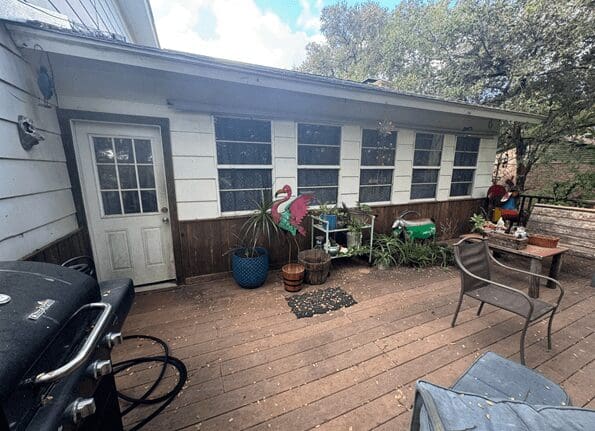
Establish a Realistic Budget Before Construction
Understanding potential expenses makes it easier to organize an exterior improvement project. Total costs depend on property size, selected materials, wall complexity, labor needs, and required preparation.
Important budgeting considerations include:
- Total exterior wall area and measurement accuracy
- Removal and disposal of existing exterior materials
- Trim, flashing, and finishing details
When exploring siding in Austin, TX, compare estimates that include similar materials and project specifications. A lower quoted price may not represent the same scope of work.
Select a Contractor Who Explains the Process Clearly
Choosing the right contractor involves more than comparing estimates. Clear communication, professional experience, and proper planning help homeowners understand the installation process.
Check Contractor Experience and Installation Methods
When evaluating a trusted siding contractor in Austin, TX, ask about residential experience, insurance coverage, material recommendations, and project timelines. Reviewing completed projects can also help assess artistry.
Before choosing a siding installation company in Austin, discuss installation methods around windows, doors, and exterior corners to understand the proposed approach. Genuine Texas Exteriors serves homeowners throughout Austin and Central Texas.
Prepare Your Property for Installation Day
Before siding installation in Austin, TX, begins, homeowners should discuss the schedule, work areas, material delivery, and any special property considerations with the installation team.
Useful preparation steps include:
- Move outdoor furniture, decorations, and portable equipment away from exterior walls.
- Trim vegetation as needed to keep access clear.
- Protect delicate landscaping near active construction areas.
- Arrange safe spaces for children and pets.
- Confirm where you will store materials and equipment.
If equipment access requires a driveway or walkway, discuss those arrangements before the crew arrives.
Understand the Main Stages of the Installation Process
Understanding each stage of the installation process helps homeowners prepare their property, manage expectations, and communicate effectively with contractors. The exact steps may vary depending on the home’s structure, selected materials, and existing wall conditions.
For siding installation in Austin, Texas, the process typically involves property assessment, site preparation, wall inspection, protective barrier installation, siding placement, and a final quality review. Each stage plays an important role in achieving a properly finished exterior.
Initial Measurements and Project Planning
The contractor measures exterior walls, evaluates property conditions, and reviews material requirements. This stage helps establish the project scope, estimated timeline, and installation approach.
Property and Worksite Preparation
Before construction begins, the crew organizes materials, prepares equipment, and sets up safe work areas. The crew considers nearby landscaping, walkways, and outdoor features to minimize unnecessary disruption.
Exterior Wall Inspection and Preparation
After removing existing siding as needed, the contractor inspects the underlying wall surfaces for moisture concerns, deterioration, or uneven areas. Proper preparation helps create a suitable foundation for installing new materials.
Installation of Protective Barriers and Siding
The contractor installs water-resistive barriers, flashing, trim, and siding panels per guidelines and applicable building requirements. Proper alignment, fastening, and moisture management are important considerations during this stage.
Final Inspection and Project Walkthrough
Once installation is complete, the contractor reviews panel alignment, trim details, exterior transitions, and overall artistry. A qualified siding installation company in Austin should clearly explain these stages, provide realistic scheduling information, and communicate any changes caused by weather, material availability, or property conditions.
Review the Finished Work and Understand Future Maintenance
A final walkthrough helps homeowners assess installation quality, ask questions, and understand how to care for their new exterior.
Check Installation Quality and Final Details
After installing siding in Austin, Texas, homeowners should inspect panel alignment, trim placement, visible fasteners, and finishing details around windows and doors.
When evaluating a trusted siding contractor in Austin, Texas, homeowners should ask about the final inspection process and relevant project documentation. They should also confirm that the installation follows applicable local requirements and manufacturer guidelines.
Follow Proper Maintenance Practices
Regular maintenance helps preserve the siding’s appearance and long-term performance. Homeowners should follow manufacturer recommendations for cleaning, seasonal inspections, and general upkeep.
Maintenance requirements vary by siding material and regional climate. Keeping product documentation and checking exterior surfaces periodically can help homeowners identify potential concerns early.
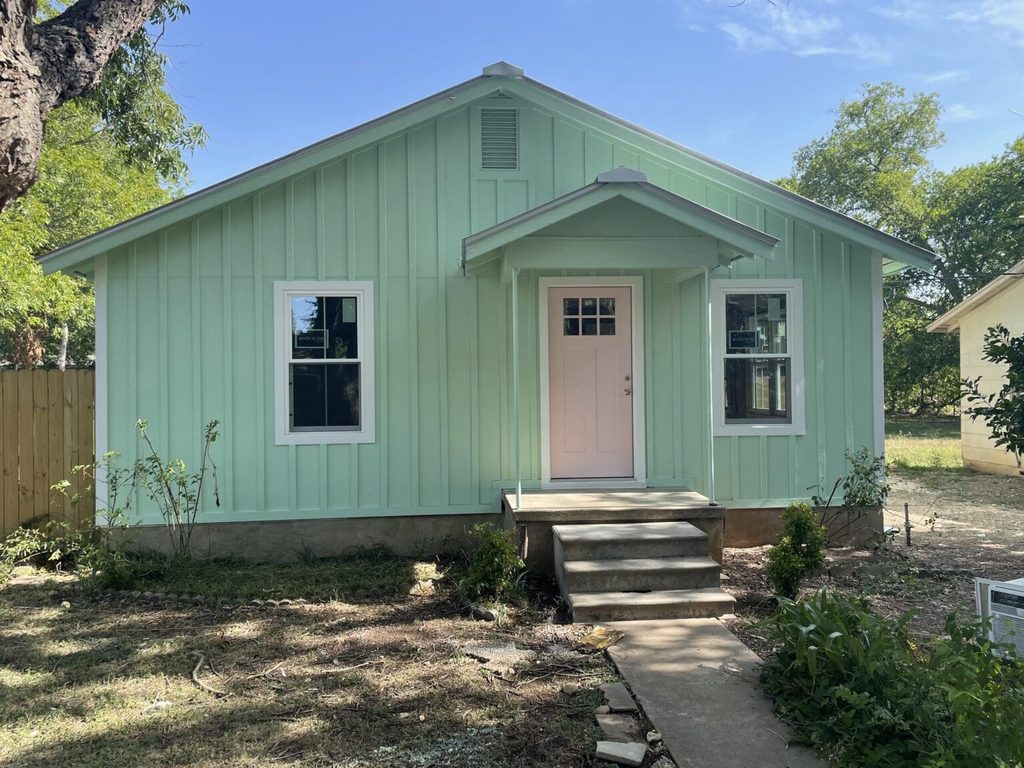
Frequently Asked Questions
How early should homeowners plan a siding installation project?
Start planning several weeks to compare materials, review estimates, confirm requirements, and schedule the installation.
Which siding materials are suitable for Austin homes?
Fiber cement, vinyl, engineered wood, and natural wood are popular siding materials, each offering different benefits in appearance, durability, and maintenance. When selecting the right option for your home, consider Austin’s hot climate, weather resistance, long-term maintenance requirements, and your overall budget.
How long does residential siding installation usually take?
Installation may take several days or longer, depending on home size, material selection, weather, and project complexity.
What should homeowners ask before hiring a siding contractor?
Before choosing a siding installation company in Austin, ask about their experience, siding material options, insurance coverage, and previous residential projects. Request a detailed written estimate covering costs, project timelines, and installation procedures. Also, discuss warranties and how the contractor will ensure quality workmanship and long-lasting results.
How can homeowners prepare for siding installation?
Clear outdoor furniture, trim nearby plants, secure pets, and provide access to exterior walls before installation begins.
Conclusion
Planning an exterior upgrade requires thoughtful decisions about material performance, property conditions, budgeting, and professional installation. For homeowners considering siding installation in Austin, TX, understanding these factors before construction helps establish realistic expectations and supports more informed decisions. Comparing product specifications, discussing wall preparation, and reviewing written estimates are practical ways to approach the process.
For homeowners planning a siding project in Austin, Genuine Texas Exteriors offers residential exterior solutions. Use Google Maps to find the business and explore available services.