Most pet owners notice it at some point. Your dog leans in for a cuddle and the smell hits you. Your cat yawns in your face and you involuntarily pull back. It is easy to laugh it off as just dog breath or cat breath and move on. But persistent bad breath in pets is rarely a hygiene quirk. It is almost always a signal that something is happening inside the mouth, and sometimes beyond it, that deserves attention.
Table of Contents
- What Normal Pet Breath Actually Smells Like
- The Most Common Cause: Dental Disease
- When Bad Breath Points to Something Beyond the Mouth
- Why Pets Hide Dental Pain So Effectively
- What a Pet Dental Cleaning Actually Involves
- How Often Does My Pet Need a Dental Cleaning
- FAQs
- My pet’s breath has always been bad. Does that mean dental disease has been present for a long time?
- Is anesthesia safe for my senior pet?
- How do I brush my pet’s teeth at home?
- Will a dental cleaning fix my pet’s bad breath permanently?
- My pet seems fine despite bad breath. Does the dental cleaning really need to happen?
- Bad Breath Is a Signal Worth Listening To
The technical term for bad breath is halitosis. In dogs and cats it is one of the most common and most consistently underreacted-to symptoms in veterinary medicine. Owners notice it but assume it is normal. Years go by. The underlying cause continues to develop. And by the time a vet finally gets a proper look inside the mouth, the damage is considerably more extensive than it would have been if someone had asked the question earlier.
This guide covers what bad breath in pets actually means, what causes it, when it points toward something serious, and why a pet dental cleaning in Encino is often the first step toward both a better-smelling pet and a meaningfully healthier one.
What Normal Pet Breath Actually Smells Like
Before getting into what bad breath signals, it helps to know what normal breath smells like in dogs and cats. The answer surprises most owners because the bar is lower than they expect.
Healthy dog and cat breath should be relatively neutral. It should not smell like roses, but it should not be offensive either. A faint smell that is noticeable at close range but not across the room is generally within the range of normal. What is not normal is breath that stops you in your tracks, that lingers after the pet has moved away, or that has changed noticeably in strength or character over a period of weeks or months.
That change over time is often the detail owners miss. Bad breath that develops gradually is easy to normalize because the change happens slowly enough that there is no single obvious moment where something clearly went wrong. If you have not actively thought about how your pet’s breath smells recently, it is worth paying attention at the next close interaction.
The Most Common Cause: Dental Disease
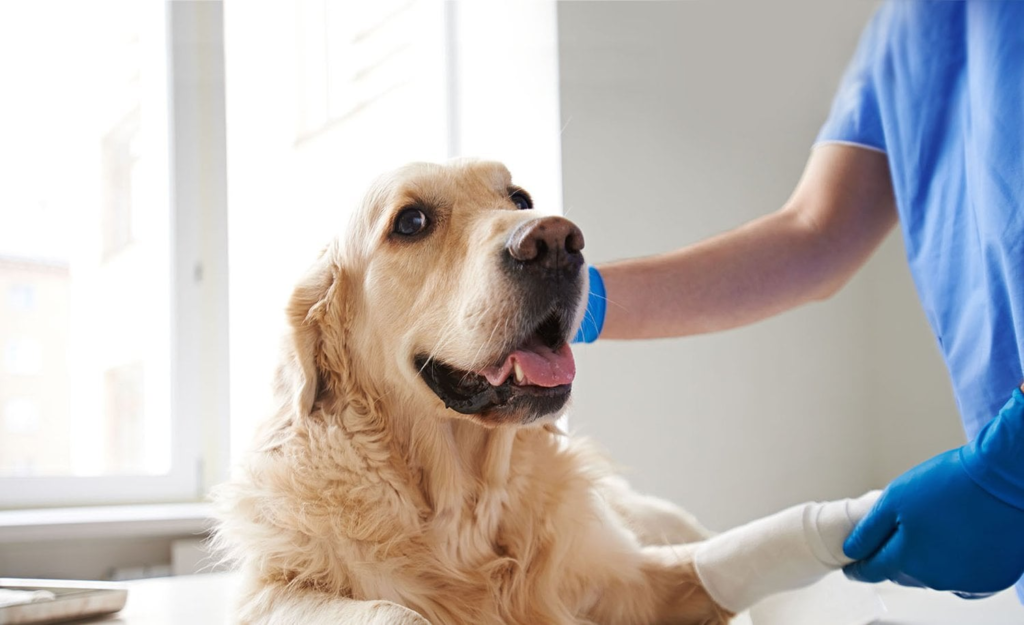
The overwhelming majority of bad breath cases in dogs and cats come down to the same thing. Dental disease. Specifically, the accumulation of bacteria, plaque, and tartar in and around the teeth and gums that produces the compounds responsible for the characteristic smell.
Dental disease in pets follows a predictable progression. Plaque, the soft bacterial film that forms on teeth after eating, begins accumulating from a young age. If it is not removed regularly through brushing or professional cleaning, it mineralizes into tartar, the hard yellowish-brown deposit visible on the teeth of most adult dogs and cats who have not had regular dental care. Tartar harbors bacteria that cause inflammation of the gums, a condition called gingivitis. Left untreated, gingivitis progresses to periodontitis, where the infection moves below the gum line and begins destroying the bone and tissue that support the teeth.
The smell associated with dental disease comes from the volatile sulfur compounds produced by the bacteria involved in this process. The more advanced the disease, the more pronounced the smell. A pet with severe periodontitis does not just have mildly bad breath. They have breath that most owners describe as noticeably foul, and they are experiencing real pain that they are almost certainly not showing in obvious ways.
Research consistently shows that the majority of dogs and cats over three years old have some degree of dental disease. Most of them have owners who have not yet connected their pet’s breath to a treatable medical condition.
When Bad Breath Points to Something Beyond the Mouth
Dental disease is by far the most common cause of bad breath in pets, but it is not the only one. In some cases the smell provides a clue about a systemic condition rather than a local one, and knowing the difference can be genuinely important.
A sweet or fruity smell on a pet’s breath can indicate diabetes, particularly in cats. The smell comes from ketones produced when the body breaks down fat for energy in the absence of adequate insulin. This is a significant finding that warrants a same-day vet visit and blood testing rather than a wait-and-see approach.
A smell described as ammonia-like or reminiscent of urine can indicate kidney disease. When the kidneys are not filtering waste products effectively, those compounds accumulate in the bloodstream and eventually reach the lungs. This type of breath change in a senior pet is a signal worth acting on promptly rather than attributing to normal aging.
A distinctly sour or foul smell that is different from typical dental odor can sometimes indicate gastrointestinal issues, including acid reflux or an obstruction. This is less common than dental causes but worth mentioning to your vet if the smell does not resolve after a dental cleaning.
Why Pets Hide Dental Pain So Effectively
One of the reasons dental disease progresses as far as it does in so many pets is that dogs and cats are exceptionally good at hiding oral pain. This is not a myth. It is a well-documented behavioral reality with evolutionary roots.
In the wild, an animal that shows pain or weakness becomes a target. Domestication has not erased that instinct. A dog with severe dental disease will still eat, still play, still wag their tail, and still greet you at the door. A cat with a tooth root abscess will still groom themselves and still come for attention. The behavioral signals of dental pain are subtle enough that even attentive owners miss them, and by the time the pain is obvious enough to affect behavior in noticeable ways, the disease has usually been present for a long time.
Signs that are easy to miss but worth noticing include:
- Chewing on one side of the mouth
- Dropping food while eating or eating more slowly than usual
- Reluctance to chew hard toys or treats that were previously enjoyed
- Pawing at the mouth or face
- Subtle changes in activity level or mood that do not have another obvious explanation
None of these signs are definitive on their own. But any combination of them alongside noticeable bad breath is worth a conversation with your vet.
What a Pet Dental Cleaning Actually Involves
This is the part most owners are least clear on, and the uncertainty about what a dental cleaning involves is one of the reasons some owners put it off longer than they should.
A professional pet dental cleaning in Encino is performed under general anesthesia. This is non-negotiable for a meaningful reason. An awake pet cannot hold still long enough for the detailed work required, cannot tolerate the instruments used below the gum line, and cannot have full-mouth dental X-rays taken accurately. Anesthesia-free dental cleaning, sometimes offered as an alternative, addresses only the visible surface of the teeth and leaves everything below the gum line, where most significant disease lives, completely unaddressed.
The procedure begins with pre-anesthetic bloodwork to confirm your pet is healthy enough to proceed safely. Once under anesthesia, full-mouth digital dental X-rays are taken first. These images reveal what is happening at and below the gum line, including tooth root health, bone loss, abscesses, retained roots, and resorptive lesions in cats that are entirely invisible on surface examination.
After the X-rays, ultrasonic scaling removes tartar from the tooth surfaces and from below the gum line. The teeth are then polished to smooth the enamel surface and slow the reattachment of plaque. Any teeth identified on X-ray as non-viable are extracted during the same procedure. The pet recovers from anesthesia in the clinic before going home with pain medication and specific aftercare instructions.
How Often Does My Pet Need a Dental Cleaning
The honest answer is that it varies more than most owners expect, and a single universal recommendation does not serve every pet equally.
Breed plays a significant role. Small breed dogs including Chihuahuas, Dachshunds, Toy Poodles, and Yorkshire Terriers are genetically predisposed to faster tartar accumulation and more rapid dental disease progression than larger breeds. Many small breed dogs benefit from annual professional cleanings from an early age. Larger breeds may go two years or longer between cleanings with appropriate home care.
Cats vary similarly. Some cats develop significant tartar within a year of a cleaning. Others maintain good dental health for longer. The only reliable way to know where your specific pet falls on that spectrum is to have their teeth assessed by a vet at every wellness visit and follow the guidance based on what is actually found rather than a fixed schedule applied to every animal equally.
Home care between professional cleanings makes a meaningful difference to how quickly disease returns. Daily tooth brushing using a pet-specific toothpaste is the most effective home care option. Dental chews, water additives, and dental diets all provide some benefit and are worth using alongside brushing rather than as a replacement for it.

If your dog or cat has breath that has been bothering you, or if they have not had a dental assessment recently, Encino Pet Hospital and Emergency offers pet dental cleaning in Encino with full-mouth digital X-rays, ultrasonic scaling, and anesthesia performed with continuous monitoring and individualized protocols. Open seven days a week including holidays.
FAQs
My pet’s breath has always been bad. Does that mean dental disease has been present for a long time?
Possibly, yes. Persistent bad breath in pets almost always has a dental cause. The longer it has been present, the more likely the disease has had time to progress below the gum line. A dental exam is the only way to know what you are dealing with.
Is anesthesia safe for my senior pet?
Modern anesthesia is considerably safer than most owners expect, particularly when pre-anesthetic bloodwork is used to screen for conditions that affect anesthetic choice. The risk of leaving untreated dental disease in a senior pet almost always outweighs the anesthetic risk of a well-managed cleaning procedure.
How do I brush my pet’s teeth at home?
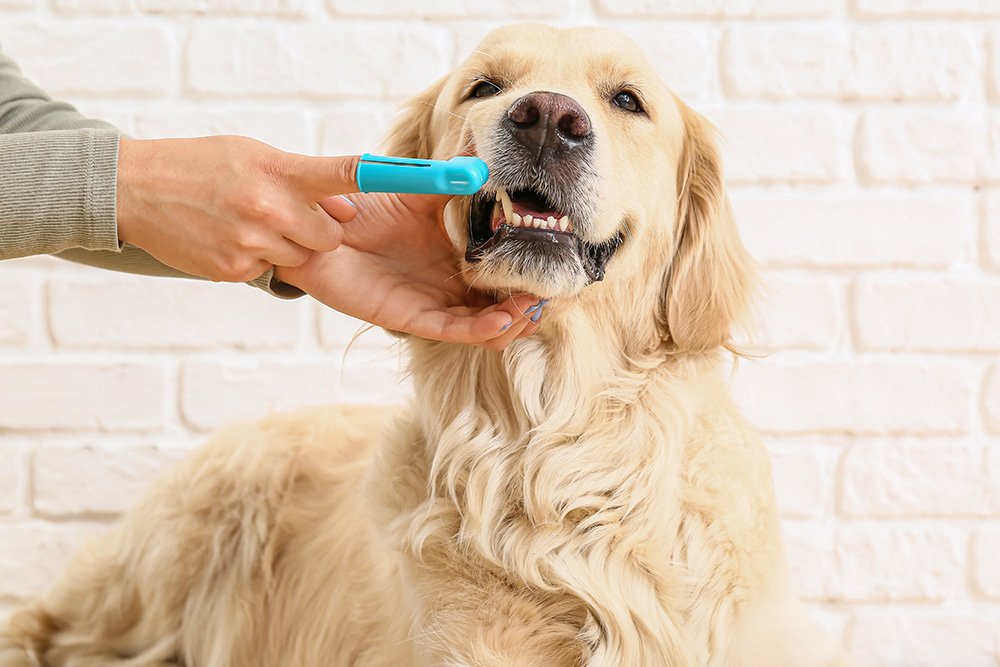
Use a pet-specific toothbrush and enzymatic toothpaste designed for dogs or cats. Never use human toothpaste. Start with short sessions, let your pet lick the toothpaste first, and build gradually to brushing all tooth surfaces over several days. Daily brushing produces the best results.
Will a dental cleaning fix my pet’s bad breath permanently?
A cleaning addresses existing disease and removes the source of the smell. Whether the smell returns depends on how quickly disease redevelops, which is influenced by genetics, diet, and home care. Most pets benefit from a combination of regular professional cleanings and consistent home care between appointments.
My pet seems fine despite bad breath. Does the dental cleaning really need to happen?
Seeming fine is not the same as being fine in a pet with dental disease. The pain and infection are present regardless of whether your pet is showing obvious signs. Treating the disease improves quality of life in ways that owners frequently notice after the procedure even when they did not think their pet seemed uncomfortable before it.
Bad Breath Is a Signal Worth Listening To
Your pet’s breath is one of the most accessible health indicators available to you as an owner. When it changes, or when it is consistently unpleasant, it is telling you something. Most of the time that something is dental disease. And dental disease, caught and treated before it reaches its later stages, is one of the most manageable and most meaningful things you can address for your pet’s long-term health and comfort